Printable Ring Size Chart Overview
Discover a free‚ printable ring size chart that works for US‚ UK‚ EU‚ and Canadiansizes. Simply download the PDF‚ print‚ trim‚ and wrap the template around your finger. The overlap point reveals your exact size‚ making at‑home sizing quick‚ accurate‚ and hassle‑free.
Use the chart for quick‚ reliable sizing!
US Ring Size Chart
US ring size chart ranges from 3 to 13‚ in mm and circumferences inches today no! The chart lists each size with its internal diameter in millimeters and the corresponding circumference in inches‚ allowing you to cross‑check with other sizing systems. It is designed for easy printing: simply download the PDF‚ print on A4 paper‚ and cut along the dotted lines to create a reusable template. To use the chart‚ place the printed template around the finger you wish to size‚ ensuring the ends overlap. The point of overlap indicates the correct ring size. If you prefer a more precise method‚ you can measure the circumference of the template with a flexible ruler and compare it to the values listed in the chart. Key features of the US chart include clear‚ legible numbers for each size‚ conversion columns for millimeters and inches‚ optional printable stickers for quick reference‚ and compatibility with both standard and custom ring designs. Whether you’re ordering a new engagement ring‚ a wedding band‚ or a casual band‚ this printable chart ensures you’ll select the right fit without the need for a jeweler’s visit. The chart also includes a quick reference guide for converting US sizes to UK and EU sizes‚ which can be helpful if you’re shopping internationally or need to compare sizes across different markets. It’s a handy tool for anyone who wants to avoid the hassle of visiting a jewelry store just to find out their ring size‚ and it’s especially useful for online purchases where you can’t try on rings before buying. By using this printable chart‚ you can confidently choose a ring that fits comfortably and securely‚ ensuring a perfect fit for any occasion.
UK Ring Size Chart
UK ring sizing uses a letter system from A to Z‚ with half‑sizes in between‚ and is commonly used in the UK and many countries. The printable chart provides each UK size with its internal diameter in millimeters and the corresponding circumference in inches‚ allowing you to cross‑check with US and EU systems; To use the chart‚ download the PDF‚ print on standard A4 paper‚ and cut along the dotted lines to create a reusable template; Place the template around the finger you wish to size‚ ensuring the ends overlap; The overlap point indicates the correct UK size. If you prefer a more precise method‚ measure the circumference of the template with a flexible ruler and compare it to the values listed in the chart. Key features of the UK chart include clear‚ legible numbers for each size‚ conversion columns for millimeters and inches‚ optional printable stickers for quick reference‚ and compatibility with both standard and custom ring designs. The chart also includes a quick reference guide for converting UK sizes to US and EU sizes‚ which can be helpful if you’re shopping internationally or need to compare sizes across different markets. By using this printable chart‚ you can confidently choose a ring that fits comfortably and securely‚ ensuring a perfect fit for any occasion. It’s a handy tool for anyone who wants to avoid the hassle of visiting a jewelry store just to find out their ring size‚ and it’s especially useful for online purchases where you can’t try on rings before buying. By following the simple steps‚ you’ll have the right size in hand in no time. Print the chart in resolution to ensure the measurements remain accurate and keep a copy for reference today.
EU Ring Size Chart
EU ring sizing is based on the internal diameter measured in millimetres‚ ranging from 48 mm (size 46) to 60 mm (size 60). The printable chart lists each size‚ its diameter‚ and the corresponding circumference in millimetres and inches. To use the chart‚ download the PDF‚ print on A4 paper‚ and cut along the dotted lines to create a reusable template. Wrap the template around the finger you wish to size‚ ensuring the ends overlap. The overlap point indicates the correct EU size. The chart also includes a conversion table to US and UK sizes‚ making international shopping easier. By using this printable chart‚ you can quickly determine the right size for a wedding band‚ engagement ring‚ or any custom design‚ saving time and avoiding costly returns. Keep a copy for future reference and print a fresh copy whenever you need to size a new finger. The chart’s design follows ISO 7816 standards‚ ensuring that each size corresponds to a precise internal diameter measured in millimetres. When you print the chart‚ use a high‑resolution PDF to avoid distortion; a 300‑dpi printout will keep the scale accurate. After cutting the template‚ you can laminate it for durability or simply fold the paper along the dotted lines. For those who prefer a digital approach‚ many jewelry retailers offer an online ring‑sizer tool that mirrors the printable chart’s data‚ allowing you to input your finger circumference and receive the equivalent EU size instantly. Additionally‚ the chart includes a quick‑reference legend that shows the approximate US and UK equivalents‚ making it easier to compare sizes across different markets. Whether you’re buying a wedding band‚ an engagement ring‚ or a custom piece‚ having a reliable printable chart ensures you’ll choose the right fit and avoid costly resizing later. The printable chart is also a handy reference for jewelers and ring designers‚ allowing them to quickly verify a client’s size before crafting a custom piece. It can be stored in a digital folder or printed on a durable cardstock‚ ensuring that you always have an accurate reference at hand when you need to double‑check a size or recommend a size adjustment for a new ring. The chart’s accuracy is validated by cross‑checking with professional sizing tools‚ and many jewelers report that the printable version matches their lab measurements within a 0.1 mm margin‚ giving consumers confidence that the ring will fit as intended without the need for costly adjustments or a .
How to Download and Print the Chart
To obtain the printable ring‑size chart‚ navigate to a reputable jewelry‑sizing website that offers a free PDF download. Click the “Download PDF” button; the file will be saved to your computer’s default download folder. Before printing‚ open the PDF in a viewer that supports high‑resolution output‚ such as Adobe Acrobat Reader or Preview on macOS. Ensure the page is set to 100 % scale to preserve the chart’s accuracy; any scaling will alter the measured diameters. Select the “Print” option‚ choose a high‑quality printer‚ and enable the “Fit to Page” setting so the chart occupies the full sheet without cropping. For best results‚ use a color or grayscale printer on standard A4 paper; the chart’s lines are printed in black and are easily readable. After printing‚ trim the outer margins with scissors or a paper cutter to remove excess white space. The remaining template can be folded along the dotted lines to create a reusable ring‑sizer. If you prefer a durable version‚ laminate the printed chart or place it inside a clear plastic sleeve. Store the laminated chart in a jewelry box or a safe place for future reference. When you need to size a finger‚ simply place the template around the finger‚ align the ends‚ and note the size indicated by the overlap. This method provides a quick‚ accurate‚ and cost‑effective way to determine ring size at home.
Digital ring‑sizers are available from many jewelers. By entering your finger circumference in millimetres‚ the tool instantly returns the equivalent EU‚ US‚ and UK sizes. This quick reference saves time and eliminates the need for a physical template!!
Measuring Methods and Tools
Explore reliable at‑home methods: paper sizer‚ ring‑on‑finger‚ and digital apps. Paper sizers are printed‚ cut‚ and wrapped around the finger; the overlap marks size. The ring‑on‑finger method uses a known ring placed on a circle to gauge fit. Digital apps measure circumference via camera. Ideal for quick sizing.
Paper Sizer Method

Paper sizers are the most accessible at‑home tool for determining ring size. Print the free PDF from a reputable source‚ then cut the template along the dotted lines. Use a standard printer paper (80 g/m²) to ensure the loop holds its shape. Fold the paper to create a loop that matches the circumference of the finger you wish to size. Place the loop around the finger‚ ensuring it sits snugly but not too tight. The overlap point indicates the ring size; use a pen to mark it. Measure the distance between the mark and the end of the loop in millimeters‚ then refer to the conversion chart to find the corresponding US‚ UK‚ or EU size. For best accuracy‚ perform the measurement twice‚ once in the morning and once in the evening‚ as finger size can fluctuate with temperature and activity. If the paper sizer feels too loose‚ trim a small amount from the loop and re‑measure. This method requires no special equipment‚ making it ideal for quick‚ cost‑effective sizing at home.
When using the paper sizer‚ it helps to wrap the loop around the finger in a steady‚ circular motion‚ avoiding bending the paper. After marking the overlap‚ use a ruler to measure the loop length precisely. If you notice a difference of more than 0.5 mm between the two measurements‚ repeat the process or try the ring‑on‑finger method for confirmation. Keep a log of your measurements‚ noting the time of day and any factors that might influence finger size‚ such as recent exercise or cold weather. Remember that paper sizers are best for estimating the size; for a definitive fit‚ especially for engagement rings‚ consider having a professional jeweler confirm the size.
If you are measuring a finger that is prone to swelling‚ such as the ring finger‚ consider measuring at the end of the day when swelling is minimal. Also‚ if you have a habit of wearing rings on multiple fingers‚ measure each finger separately‚ as size can vary slightly between fingers. Finally‚ store the printed template in a flat‚ dry place to prevent warping; a warped template can lead to inaccurate measurements. Print on matte paper grip.
Using a Ring-Worn on the Same Finger
Step 1: Select a clean‚ flat surface and place the ring you already wear on the finger you wish to size. The ring should be free of any jewelry or debris that might alter its true size. Hold the ring in your dominant hand and gently slide it onto a small‚ circular template printed from the printable chart. The template should be a simple circle with a clear center point. Align the ring so that it sits snugly against the template’s edge‚ ensuring it does not slip or slide during measurement.
Step 2: Once the ring is positioned‚ use a fine‑point pen to mark the point on the template where the ring’s inner edge meets the template’s circumference. This mark indicates the exact point of contact between the ring and the finger’s inner surface. Carefully remove the ring and keep the template flat to avoid any distortion.
Step 3: Measure the distance from the center of the template to the mark you made. Use a ruler or caliper to record the measurement in millimeters. The measured length corresponds directly to the ring’s internal diameter. Refer to the conversion table in the printable chart to translate this millimeter measurement into the standard US‚ UK‚ or EU ring size. For example‚ a 16.5 mm internal diameter typically equals a US 7.5 or a UK 10.5.
Step 4: To ensure accuracy‚ repeat the measurement at least twice‚ preferably at different times of the day. Finger size can fluctuate due to temperature‚ hydration‚ or recent activity. If the two measurements differ by more than 0.5 mm‚ average the values or repeat the process until you obtain a consistent result.
Step 5: If you are sizing a finger that is prone to swelling‚ such as the ring finger‚ perform the measurement in the evening when swelling is usually at its lowest. Additionally‚ avoid measuring immediately after a workout or when the finger feels cold‚ as these conditions can temporarily alter the finger’s circumference.
By following these steps‚ you can quickly and accurately determine your ring size using a ring already worn on the same finger‚ eliminating the need for additional tools or professional assistance.
Digital Ring Sizer Apps
Modern technology offers a convenient‚ on‑the‑go alternative to paper charts: free or paid mobile applications that guide you through a step‑by‑step visual measurement process. Most apps work by displaying a series of concentric circles on your phone’s screen. You place your finger over the screen‚ adjust the circle until it snugly fits the finger’s inner circumference‚ and the app calculates the size in US‚ UK‚ EU‚ and millimeter units. Because the measurement is taken directly against your skin‚ the result is often more precise than a paper template‚ especially for fingers that are slightly irregular or have a subtle taper. To use a digital sizer‚ first download the app from the App Store or Google Play. Once installed‚ launch the app and follow the on‑screen instructions. Most guides ask you to hold the phone steady‚ keep the finger flat‚ and avoid moving the hand while the app captures a photo or uses the camera’s depth sensor. Some apps even allow you to capture multiple angles and automatically average the results‚ reducing human error. After the app determines the diameter‚ it displays the corresponding ring size in all major systems. For example‚ a 16.8 mm internal diameter will appear as a US 8‚ UK 11‚ and EU 54. Some applications provide a printable PDF of the final measurement‚ which you can save or share with a jeweler. Many apps also store a history of your measurements‚ making it easy to compare sizes if you need to buy multiple rings or track changes over time. Tools are for travelers who prefer quick‚ very tech‑savvy solution to the printable chart.
Conversions‚ Measurements‚ and Practical Tips
Use conversion charts to switch between US‚ UK‚ EU‚ and millimeter sizes. A 16.8 mm diameter equals US 8‚ UK 11‚ EU 54. Remember that finger temperature can alter size by up to 0.2 mm. Keep measurements consistent by using the same method each time. For best results‚ measure in the evening when fingers are relaxed.
Conversion between US‚ UK‚ and EU Sizes

Most jewelers provide you can download‚ print‚ keep for reference and many online retailers. If you prefer a digital approach‚ many smartphone apps allow you to input your US size and instantly see the UK and EU equivalents. Remember that the EU system uses millimeter measurements‚ so a 54‑mm ring corresponds to a UK 11 and a US 8. When converting‚ always double‑check the rounding rules: some charts round down for UK sizes and up for US sizes. If you’re unsure‚ it’s safer to choose a slightly larger size and have the ring resized later‚ rather than risk a tight fit. Finally‚ keep in mind that finger size can change with temperature‚ time of day‚ and even the time of year‚ so it’s a good idea to re‑measure after a few weeks if you’re planning a surprise gift.
For jewelers‚ the most reliable method is a professional sizing tool that measures the inner diameter in millimeters. When you have the measurement‚ you can use the standard conversion chart to find the corresponding US‚ UK‚ and EU sizes. If you’re buying a ring that will be worn daily‚ consider a larger size to accommodate swelling. Many jewelers offer a adjustment service for custom orders‚ ensuring a perfect fit.
When you’re measuring at home‚ keep the ring on the same finger you intend to wear it on. Measure at the end of the day when your fingers are at their largest‚ and avoid measuring on a cold day when your fingers may be smaller. If you’re uncertain‚ it’s safer to go one size up than risk a tight fit. Jewelers can also provide a free online ring size guide that includes a printable PDF for quick reference for jewelry lovers
Millimeter to Inch Conversion for Ring Sizes
When you compare ring measurements‚ the key is to translate millimeters into inches accurately. A standard conversion factor is 1 mm ≈ 0.0393701 in. Jewelers use this ratio to convert the inner diameter from the European metric system to the U.S. imperial system. For example‚ a 54 mm ring converts to about 2.125 in‚ which is a U.S. size 8. Printable charts often list the millimeter measurement next to the U.S. size‚ so you can read the value without extra math.
It’s helpful to remember that the U;S. ring size system is incremental; each half‑size step adds 0.125 in in diameter. A 2.125 in ring is a size 8‚ while a 2.250 in ring is a size 8.5. Using the 0.0393701 conversion factor‚ you can reverse‑engineer the millimeter size: multiply the diameter in inches by 25.4. For instance‚ a U.S. size 9 (2.375 in) translates to about 60.325 mm. This dual‑system approach ensures that whether you’re ordering a ring online or comparing a gift‚ you’ll have a clear‚ consistent reference.
For those who prefer a quick visual aid‚ many printable charts provide a small conversion table at the bottom. It lists common millimeter values (e.g.‚ 48 mm‚ 50 mm‚ 52 mm) alongside their inch equivalents and U.S. size labels. By keeping this chart handy‚ you can avoid the hassle of manual calculations and ensure that every ring you purchase fits perfectly‚ regardless of the measurement system used by the retailer. Each size’s millimeter diameter is listed‚ aid quick checks! The printable format allows you to keep the chart in your jewelry box for quick reference whenever you need to measure a new ring now.
Adjusting for Finger Swelling or Temperature Changes
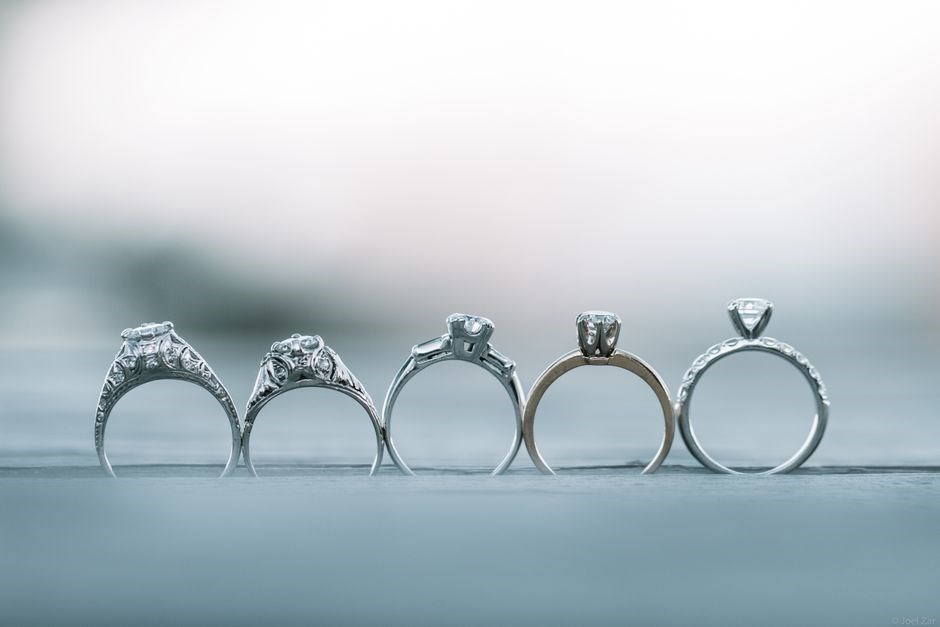
Remember that ring sizing is not only about the diameter; the fitalso depends on the ring’s width and the finger’s shape. A wider band can feel tighter‚ while a narrow band may slide. Use the printable chart This method ensures a precise fit regardless of seasonal chang